If you've studied hard and
the score isn't showing it,
this is why.
Most students who come to Thomas aren't missing content knowledge. They're missing a system that turns what they know into consistent performance under pressure. The gap between what you understand in a review session and what you produce on test day comes down to strategy, timing, and execution. Studying more rarely closes it.
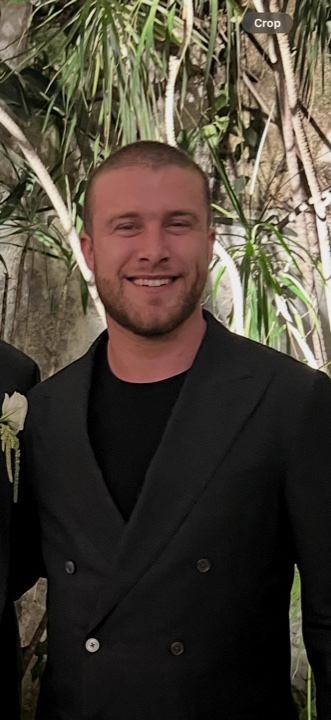
Thomas scored 510 AA (99th percentile) after figuring out what actually closes those gaps, and he built AceTheDAT around that framework. Every student gets a personalized roadmap built before Session 1 ends, score tracking against their specific target schools every week, and two 75-minute sessions with Thomas directly. Every section, every week, with no handoffs.
He's a current D1 dental student at Temple University, 3.9 GPA post-bacc sciences. He went through this process recently, at the level you're aiming for, so what he tells you to do comes from having done it.
25 on old scale

& Advising
A strong DAT score gets you considered. Your application gets you in.
Most students spend months on their DAT and a few rushed weeks on the personal statement, and admissions committees notice. They read thousands of applications from capable students with competitive scores. What separates the ones they accept is a personal statement that is specific and honest, written by someone who knows why they want to be a dentist and can make a reader feel it.
Farwa has guided students through their dental school applications and brings over 14 years of tutoring and advising experience. As an incoming dental student, she went through this process recently, at the level you're aiming for, so she knows what makes an admissions committee stop reading and what makes them schedule an interview.
She works with you from the first brainstorm to the final draft of everything: personal statement, AADSAS narrative, secondary essays, and mock interviews. She doesn't write your story for you. She helps you find the version a reader can't put down.
When your DAT is done, Farwa comes in already knowing your background and your goals, so the application phase picks up with momentum instead of a cold start.
View Application Programs Book a CallBefore you submit, a dentist reads your application the way admissions will.
Most editing services tell you whether your sentences are clean, but that isn't the question that decides your cycle. What matters is how a dental admissions reviewer reacts in the ninety seconds they spend on your file, and almost no applicant gets that read before they submit.
Dr. Ginger gives you that read. She goes through your personal statement and full application cold, with no backstory and no priming, the same way a committee will, and tells you her honest reaction: where it stalls, where it lands, and whether it's ready or one fix away. It's a dentist's eyes on your application before it counts.
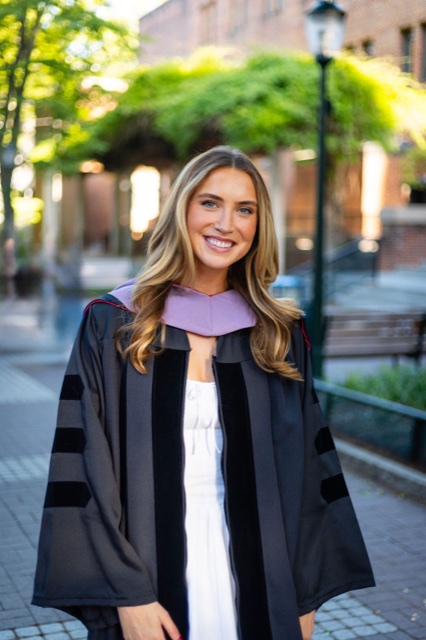
She's an incoming Chief Resident in Pediatric Dentistry at the University of Colorado School of Dental Medicine. She didn't just get into dental school, she matched into one of its most competitive specialties. When she tells you what's working, it comes from someone who has been on the inside of this process.
Dentistry
Univ. of Colorado SDM
Biology, Gen Chem, and Org Chem are
most of your score.
The sciences are where the points are, and where the right coach turns "I sort of remember this" into recall you can trust under time. Chapman, who scored a 530 on the DAT, leads dedicated science coaching across Biology, General Chemistry, and Organic Chemistry, built around the topics your practice tests say are costing you and coordinated with Thomas so every session feeds your overall plan.
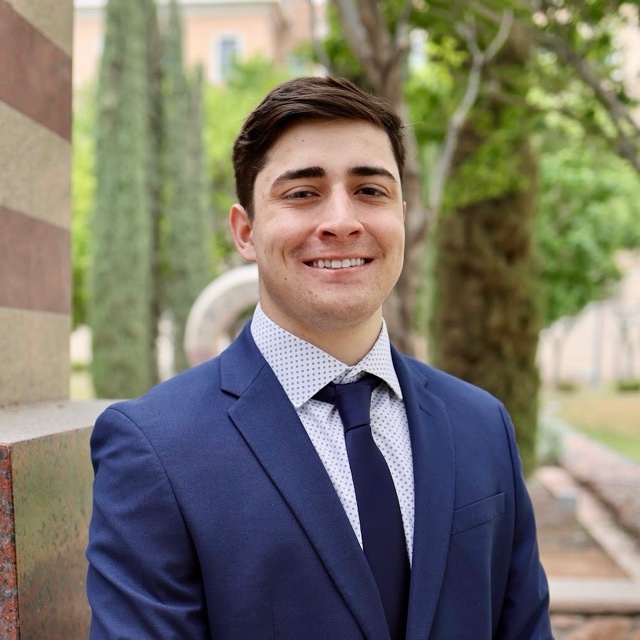
Chapman runs targeted science coaching built around your weakest topics, with reaction maps and concept walkthroughs that make the sciences stick. His sessions coordinate directly with Thomas's tracking of your progress.
PAT and QR are where
most students leave points.
These two sections have something in common: raw practice without the right methodology doesn't move them. You can drill PAT for weeks and plateau if you aren't working with a pattern-recognition framework that transfers to questions you haven't seen. QR is similar. It's really a decision-tree problem rather than a math problem, and most students approach it the wrong way.
Certain programs include dedicated PAT and QR reinforcement sessions built right into the program structure, so you don't have to evaluate them as a separate add-on. These sessions are led by Sarah, who scored 580 in QR (98th percentile nationally) and 490 in PAT on the DAT in December 2025, and who structures every session around the techniques that move these two sections efficiently. They run alongside Thomas's strategy sessions and feed directly into his tracking of your progress.
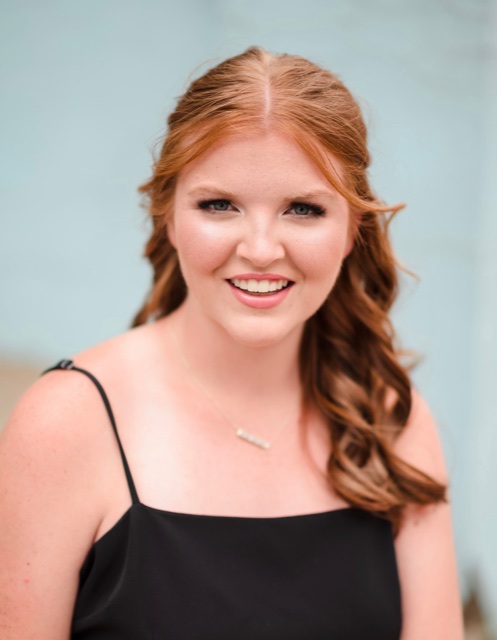
Sarah runs dedicated 75-minute reinforcement sessions focused on PAT, QR, and RC methodology, pattern recognition, and timing strategy. Her sessions are included in select programs as part of the built-in support structure.