Ninety minutes, six subsections, and almost everyone treats them as one undifferentiated talent they either have or do not. They are six separate procedures, each one learnable, and the students who jump fastest are the ones who stop practising PAT in general and start drilling the two subsections actually costing them points.
The six subsections are not worth equal timeNinety minutes, six subsections, and they do not deserve the same share. Where your time actually goes, and which subsection to sacrifice when you are behind.
KeyholesA comparison checklist, not a feeling. Check the silhouette against each view in a fixed order, and use the rule that a shape must pass through the opening in at least one orientation without rotating in a way the question does not allow.
Top, front and end viewsReading the dashed lines properly is most of this subsection. What a hidden edge means, how to build the third view from the other two, and the specific configuration the test reuses to punish sloppy reading.
Angle rankingTwo at a time, always. Find the two closest, decide only between them, then bracket the winner against the next. Comparing near the vertex rather than the ray ends, and why long rays make an angle look wider than it is.
Hole punching, on the gridDraw the four by four grid and reflect the punch backwards across each crease, one fold at a time. Each fold doubles, except when a punch lands on a fold line, which is exactly where the hard questions live.
Cube counting, with the tally tableCount the figure once and build a table of painted faces before you read a single question. Then the whole set is lookups. Including the cubes you cannot see that must be there holding up the stack, which is where most wrong answers come from.
Pattern foldingAnchor on one distinctive face and track its neighbours rather than folding the whole thing mentally. Which answer choices can be eliminated on adjacency alone.
Timed sprint, coached liveA real timed set under section conditions. Then Sarah works the misses one by one, out loud, in the same review method our 1:1 students get.
Taught by Sarah
PAT · QR · RC Specialist
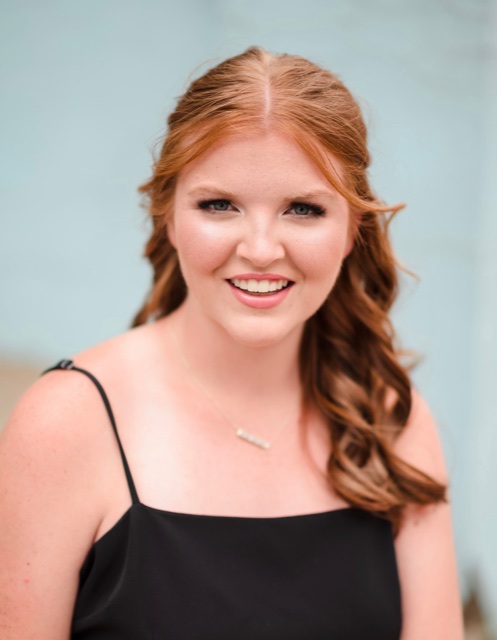
Sarah runs PAT for our 1:1 students and teaches it as a set of procedures rather than a knack. She is the coach students ask for by name when PAT is the section standing between them and their score. She took the DAT recently enough to remember exactly what that 60-minute timer feels like, and she teaches the way the whole program teaches: from real questions and real misses, never from slides.